How to Choose the Ideal General Contractor for Your Upcoming Home Project
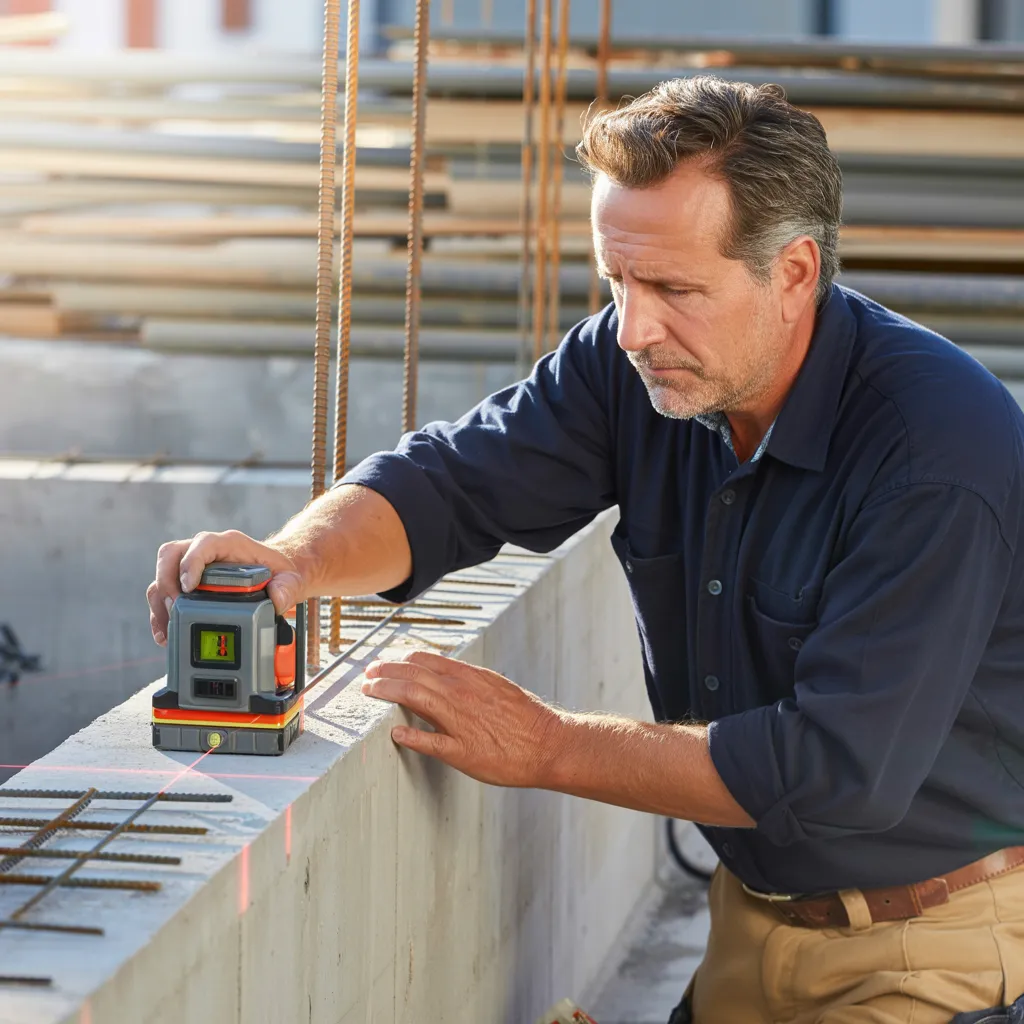
Finding the best general contractor for your home project is a vital choice. It requires careful evaluation of multiple elements, such as expertise, credentials, and communication competence. Plenty of property dwellers miss key details, leading to costly mistakes. Understanding how to examine potential professionals can provide a major difference. By concentrating on essential benchmarks and asking the right inquiries, one can work through this challenging process more effectively. What are the key procedures to guarantee a productive partnership?
How to Sidestep Standard Pitfalls When Picking a Contractor
When selecting a general contractor, how might one handle the myriad of choices without falling into common traps? Prospective clients often overlook vital aspects that can result in disappointing consequences. First, relying solely on price can be misleading; the lowest bid may signify below-standard work or unexpected expenses. Additionally, overlooking testimonials or web reviews can result in employing a contractor with bad reviews. It is also essential to avoid making decisions based on charisma alone; a friendly contractor may not have the required expertise or trustworthiness. Moreover, not setting clear communication and goals can lead to confusion and disappointment. Finally, neglecting to examine contracts carefully before signing can result in unforeseen duties or inadequate security. By being careful and knowledgeable, homeowners can make better choices, ultimately resulting in a triumphant outcome.
What to Look For in a Contractor's Background
When examining a contractor's background, several key factors become relevant. Relevant project experience, professional credentials, and an extensive portfolio of completed work serve as essential markers of their capabilities. Evaluating these aspects can offer useful understanding into the contractor's suitability for the specific project at hand.
Pertinent Work Background
Grasping a contractor's applicable work history is essential for ensuring the positive outcome of any building project. Potential customers should assess the contractor's portfolio, focusing on finished work comparable in size and design to their own. This entails reviewing the quality of workmanship, adherence to timelines, and budget management in past projects. Additionally, it is beneficial to inquire about the types of materials employed and the contractor's familiarity with local building codes and standards. Reviews and recommendations from past clients can provide insights into the contractor's reliability and communication skills. Ultimately, a contractor with substantial relevant experience can handle difficulties effectively, ensuring the project meets the homeowner's requirements and benchmarks.
Industry Certifications And Permits
Certification and licensing act as important indicators of a contractor's competence and proficiency in the construction industry. When choosing a general contractor, it is crucial to verify that they hold the demanded licenses set by local and state regulations. These licenses show compliance with building codes and safety standards. Moreover, industry certifications, such as those from the National Association of Home Builders or other comparable organizations, showcase a contractor's commitment to high standards and ongoing education. Contractors possessing specialized certifications may also have skills in particular areas, like green building or remodeling. Making sure a contractor has the appropriate credentials not only creates confidence in their abilities but also reduces potential legal and financial risks during the project.
Showcase Of Completed Work
The craftsman's portfolio of completed work acts as a crucial instrument for evaluating their capabilities and experience. This collection should highlight a varied mix of works, revealing flexibility in distinct styles and intricacies. When analyzing a portfolio, interested parties must check for clear photographs that illustrate the craftsmanship involved. It is advantageous to see works that align with the homeowner's specific needs or aesthetic preferences. Attention to detail, new methods, and respecting schedules are important signals of a contractor’s expertise. Furthermore, client testimonials or project analyses included in the portfolio provide more knowledge into the contractor's dedication and trustworthiness. more info Finally, a solid portfolio enables homeowners to select carefully regarding their forthcoming tasks.
Steps to confirm Your Contractor's Qualifications and Licenses
Before employing a general contractor, it is crucial to verify their credentials and licenses to ensure they satisfy professional requirements. Start by checking with municipal licensing authorities to confirm that the contractor possesses the necessary licenses for your area and project type. Each state has its own standards, so understanding these can avoid future complications.
Additionally, inquire into insurance coverage, encompassing liability and workers' compensation, to secure protection against potential accidents or damages. Obtain references from previous clients and touch base to measure satisfaction and reliability.
Lastly, assess any certifications the contractor may hold, as these often show professional development and commitment to industry best practices. A thorough verification process not only guarantees compliance but also builds confidence in the contractor's ability to execute the project successfully.
Why Clear Dialogue Is Vital in Your Contractor Relationship
Effective communication plays a pivotal role in the contractor-client relationship, shaping the project's success from the beginning. Clear dialogue establishes expectations, timelines, and budgets, ensuring both parties are aligned on the project's goals. When clients express their vision effectively, contractors can provide informed recommendations and solutions, improving the overall outcome.
Ongoing information sharing and open lines of communication support immediate resolution of issues as they surface, minimizing potential delays. Additionally, a contractor who gives attention and responds client feedback establishes trust, which is fundamental for collaboration.
Moreover, strong interaction helps in managing changes and surprising difficulties, keeping the project on course. It permits the contractor to adjust methods based on customer feedback, guaranteeing happiness across the undertaking. In conclusion, emphasizing interaction not only strengthens the contractor-client bond but also greatly contributes to the successful completion of the home project.
Critical Queries to Raise with Your Contractor During Initial Meetings
At the start of meetings with a contractor, clients should concentrate on comprehending their experience and qualifications. It's required to explore the project timeline and budget to guarantee harmony with the client's expectations. These questions lay a foundation for a successful partnership and effective project management.
Experience and Skills
Selecting a general contractor copyrights on understanding their background and credentials. Homeowners should ask about the contractor's industry experience and the types of projects they have completed. Detailed inquiries regarding licenses, certifications, and insurance are essential, as these guarantee adherence to local laws and offer protection throughout the project. Additionally, reviewing past work through portfolios or recommendations can give a glimpse of the contractor's skill and dependability. It is also helpful to question them on their familiarity with similar projects, as this can demonstrate their capability to handle specific obstacles. Ultimately, assessing a contractor's experience and qualifications builds trust and helps homeowners make informed decisions about their home projects.
Project Schedule and Budget
increasing the chances of a successful project.
Tips for Verifying References and Reading Reviews
What steps should one take to ensure a general contractor is reliable? First, it is essential to ask for a list of referrals from potential contractors. A reputable contractor will readily provide names and contact information of previous clients. One should contact these references to inquire about their experiences, concentrating on aspects such as communication, quality of work, and adherence to timelines.
Furthermore, checking online testimonials on services like Google, Yelp, or Angie's List can deliver valuable insights. It is important to search for themes in the reviews—steady approval or criticism can demonstrate trustworthiness or potential concerns.
Furthermore, reviewing any allegations lodged with local licensing boards or consumer protection agencies can uncover a contractor's record. Finally, asking for recent project photos can help determine the standard of their labor. By taking these steps, one can make a more better-informed decision when selecting a general contractor.
Comprehending Contractor Charges and Financial Requirements
Homeowners must learn about standard payment terms. Most contractors require a deposit initially, including progress payments based on project milestones. It's critical to establish these terms before committing to a contract to circumvent misunderstandings. In addition, homeowners should investigate potential unforeseen costs, such as permits or unexpected work. Honest dialogue regarding costs and financial arrangements will help strengthen a clear working relationship, ultimately producing a victorious project outcome. Knowing these elements prepares homeowners to make better decisions when selecting a general contractor.
Frequently Requested Questions
What Timeframe Should We Anticipate for Project Delivery?
Project duration generally fluctuates depending on complexity and scope. Generally, it could require multiple weeks or months. Elements such as weather, availability of materials, and labor resources can greatly influence the project completion schedule.
What Happens if Unexpected Issues Emerge During Development?
If unexpected issues arise during construction, the contractor typically evaluates the situation, confers with the homeowner, and proposes solutions. Adjustments to the timeline and budget may be necessary, ensuring clarity throughout the process.
Will My Project Require Permits or Assessments?
Most projects demand permits and inspections to guarantee compliance with local construction standards. It is essential to work with a general contractor who grasps these needs, as they can navigate the permitting process efficiently.
How Do You Coordinate Subcontractors and Their Payments?
A credible general contractor manages subcontractors by establishing transparent contracts defining payment terms. They guarantee punctual payments, copyright open communication, and assess subcontractor output, creating a cooperative setting that contributes to project success and productivity.
What Is Your Approach to Project Changes or Upgrades?
The contractor employs a flexible approach to scope changes, requiring documented proof for any modifications. They commit to open dialogue, review expense considerations, and adapt project schedules accordingly to support the client's evolving needs and preferences.